Posts tagged ‘Sidoxia’
Decade in Review

We laughed, we cried, we kissed another ten years goodbye. It is virtually impossible to cram ten years into one article, nonetheless I will attempt to chronicle some of the central and silly events that bubble up in my memory bank.
2000

Capture of Elian Gonzalez
- Technology-heavy NASDAQ index peaks at 5,132 before completing its -78% decline by late 2002.
- Y2K (Year 2000) fears do not materialize and technology orders begin downward slide.
- AOL buys Time Warner for $164 Billion in hopes of converging media and internet worlds.
- Al Gore Democratic nominee for the Presidency wins popular vote but loses election to George Bush after effort for Florida recount fails.
- Elian Gonzalez, six-year old boy returned to Cuba.
- Reality TV show Survivor finishes first season with Richard Hatch winning prize.
2001
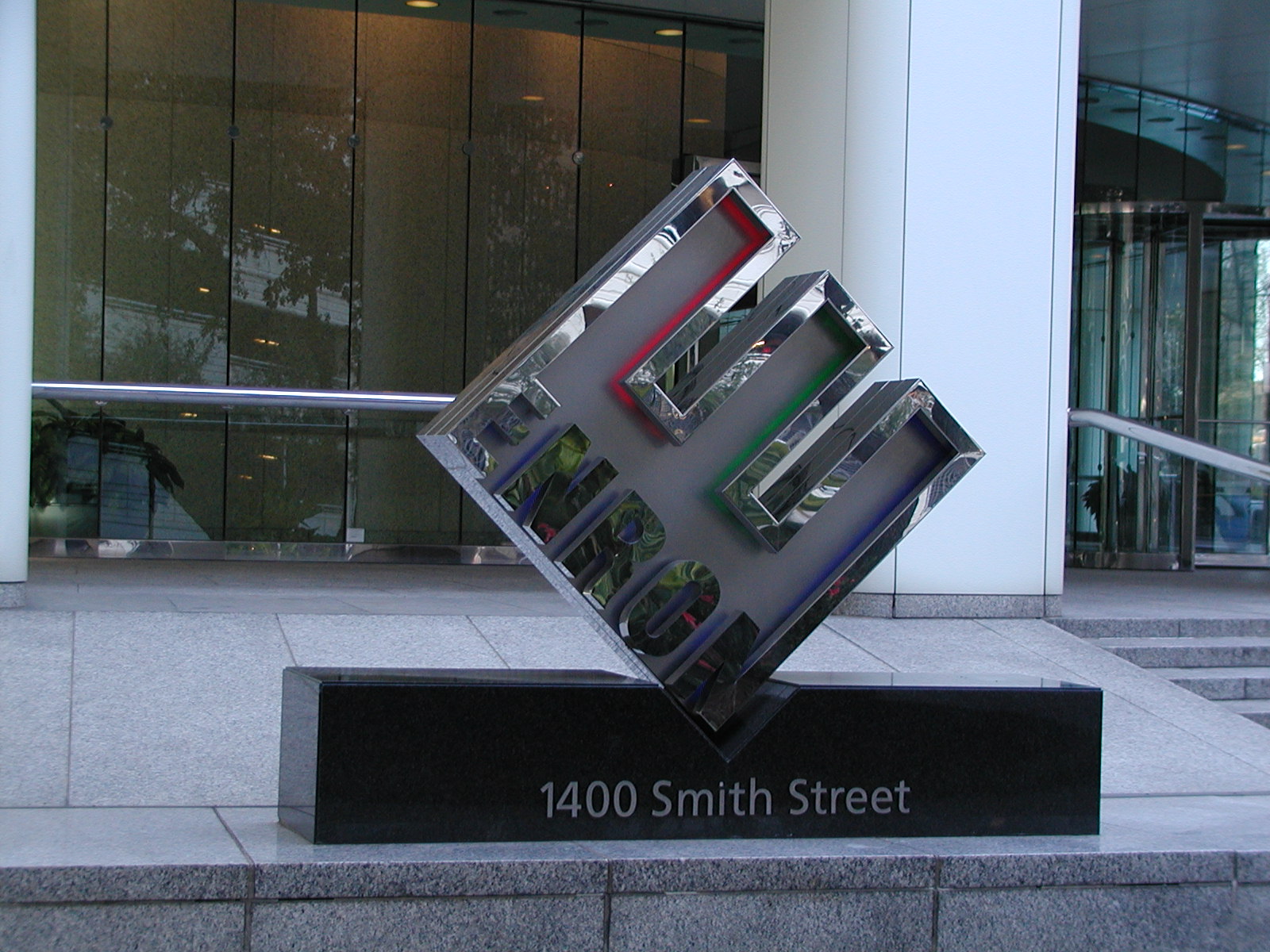
Enron Logo at Headquarters
- Apple introduces iPod digital music player.
- Enron files Chapter 11 bankruptcy.
- Wikipedia online community encyclopedia launches.
- 9/11 attacks occur pushing economy further down.
- Alan Greenspan starts 1st of 11 rate cuts in 2001.
- China joins WTO (World Trade Organization).
2002

- Severe Acute Respiratory Syndrome (SARS), an atypical form of pneumonia, rears its ugly head in the Guangdong Province of China.
- SEC files charges against WorldCom and Tyco international in connection with accounting irregularities
- United Airlines files for bankruptcy.
- American Idol television singing contest begins first season.
- Guantanomo Bay detention camp is opened.
2003
- Federal Funds rate reaches a 45 year low at 1.00% – fuel for future credit bubble.
- $350 billion in tax cuts approved, spanning a ten year period.
- Iraqi Gulf War II commences with “shock and awe” military campaign.
- Space Shuttle Columbia disintegrates upon attempted reentry into the Earth’s atmosphere.
- Broad stock market recovery (>90% of stocks in S&P500 climb), including a +50% rise in the NASDAQ index.
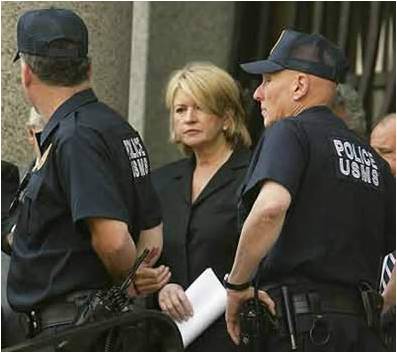
- Martha Stewart indicted for using privileged investment information and then obstructing a federal investigation.
- Arnold Schwarzenegger, movie star, becomes governor of California.
2004

- Google (GOOG) goes public with IPO at $85 per share.
- Mark Zuckerberg unveils Facebook and people begin “friending” each other.
- Comcast makes failing unsolicited bid for Disney. K-Mart buys Sears with aid of Eddie Lampert
- Ronald Reagan, 40th President, dies at 93.
- Janet Jackson and Justin Timberlake experience “wardrobe malfunction” on Super Bowl halftime show.
- Boston Red Sox win their first World series since 1918.
2005
- P&G announces $57 billion acquisition of Gillette. Conoco Philips buys Burlington Resources for over $30 billion. Bank of America buys credit card company MBNA.
- Ben Bernanke is nominated as new Federal Reserve Chairman.
- Hurricane Katrina overwhelms New Orleans as 80% of city becomes covered with water.
- North Korea announces its nuclear weapons arsenal.
- YouTube starts sharing online videos before Google Inc. eventually buys company.
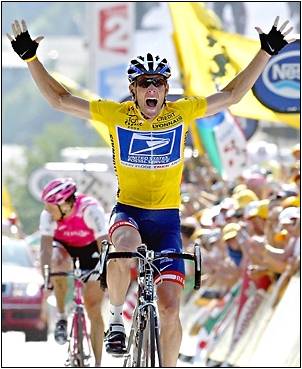
- Lance Armstrong wins 7th consecutive Tour de France.
2006
- Inverted yield curve turns out to be an accurate leading indicator for 2008 recession despite markets advance.
- Internet activity accelerates: Google buys YouTube after News Corp buys MySpace. Twitter is introduced.
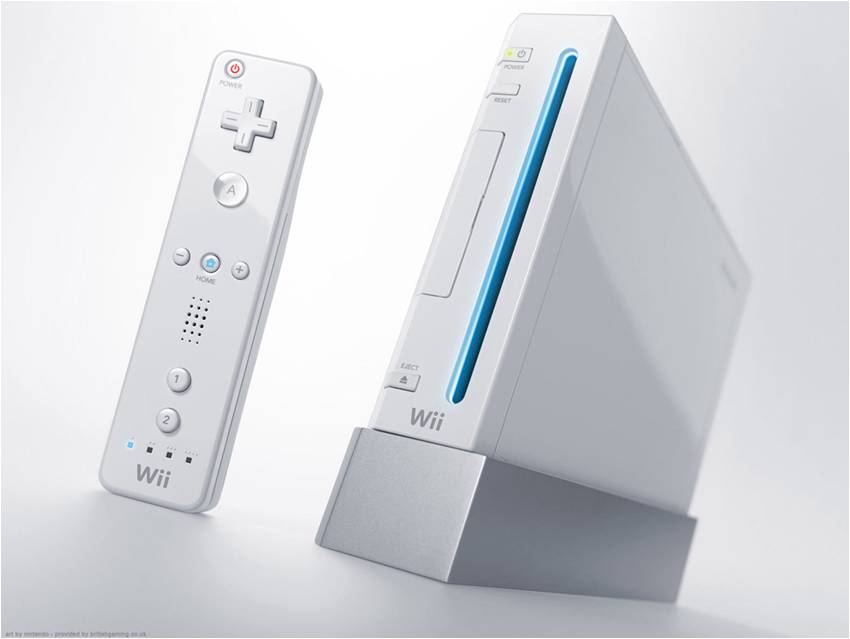
- Playstation 3 (PS3) and Nintendo Wii unveiled.
- Merger & acquisition activity reaches $3.79 trillion worldwide, surpassing previous 2000 peak (Thomson).
- Options backdating takes center stage. United Health and technology companies were among those dragged into controversy.
- Housing market peaks.
2007

- Markets continue multi-year rally with three major indexes holding single-digit gains. Emerging markets build on previous year gains – Shanghai composite +97%.
- Monoline insurers MBIA and rival Ambac become early canaries in the coal mine given the greater than $1 trillion in exposure on insuring securities.
- Apple presents the iPhone – part phone, part music, part computer.
- KKR (Kohlberg Kravis Roberts & Co.) and TPG complete $44.4 billion buyout of Texas power company TXU Corp.
- Microsoft Vista operating system introduced after five years of development.
- Housing decline accelerates as Countrywide Financial announces 12,000 job cuts (20% of its workforce), New Century Financial (#2 subprime lender at one point) files Chapter 11 bankruptcy, and two Bear Stearns mortgage based hedge funds go under.
- Chuck Prince, Citigroup CEO, steps down.
2008

- Bank of America agrees to buy Countrywide mortgage company for about $4 billion.
- JPMorgan Chase agrees to buy Bear Stearns for $2 per share in a sale brokered by the Fed and the U.S. Treasury – eventually bid revised upwards to $10 per share (~$1.1 billion) to appease angry shareholders.
- Lehman Brothers goes bankrupt.
- Bank of America agrees to acquire Merrill Lynch for about $50 billion.
- Government takes over AIG after providing insurance company $85 billion loan.
- Goldman Sachs and Morgan Stanley become bank holding companies to improve access to capital.
- Washington Mutual Inc. is seized by FDIC and sold to JPMorgan Chase in the biggest U.S. bank failure in history.
- Wells Fargo & Co., agrees to purchase Wachovia for about $15.1 billion, trumping Citigroup’s bid.
- $700 billion TARP (Troubled Asset Relief Program) eventually approved by Congress to stabilize financial system.
- Eliot Spitzer resigns after prostitution scandal.
- Michael Phelps wins eight gold medals at the 2008 Beijing Summer Olympics.
2009
- Barack Obama inaugurated in as 44th President of the United States. Healthcare reform bills pass in both the House and Senate.
- GM and Chrysler declare bankruptcy.
- Recession ends as stimulus kicks in and inventories rebuild. Government announces new PPIP and TALF programs.
- Warren Buffett pays $26 billion to buy Burlington Northern Santa Fe. Other announcements include: Oracle /Sun Microsystems; Pfizer/Wyeth; Merck/Schering Plough; and Pulte Homes/Centex.
- Commodities and emerging markets rebound. Gold tops $1,000 per ounce.
- Signs of housing bottoming as low mortgage rates, tax credits, and declining inventories create a more constructive environment.
- Madoff goes to prison after he was convicted for a $65 billion Ponzi Scheme.
- Chesley B. “Sully” Sullenberger successfully carries out the treacherous crash-landing of US Airways Flight 1549 into the Hudson River.
- Dubai debt debacle forces Abu Dhabi to lend support to calm global markets.
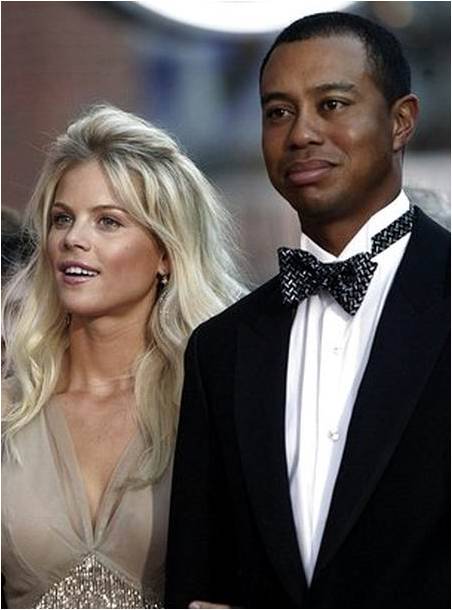
- Tiger Woods admits transgressions after car crash pushes him into spotlight.
2010 ???
Time will tell what the new year will bring. Stay tuned for some iron clad 2010 predictions coming to an Investing Caffeine blog near you in the not too distant future!
Wade W. Slome, CFA, CFP®
Plan. Invest. Prosper.
DISCLOSURE: Sidoxia Capital Management (SCM) and some of its clients own certain exchange traded funds and BAC, AAPL, and GOOG, but did not have any direct positions in the following stocks mentioned in this article at time of publication (including AOL/TWX, VIA/CBS, NWS, TYC, UAUA, MSO, CMCSA, DIS, SHLD, PG, COP, Nintendo, MBI, ABK, MSFT, C, JPM, AIG, MS, WFC, GM, Chrysler, BRKA, ORCL, JAVA, PFE, MRK, PHM, BNI, LCC, GLD, and NKE). No information accessed through the Investing Caffeine (IC) website constitutes investment, financial, legal, tax or other advice nor is to be relied on in making an investment or other decision. Please read disclosure language on IC “Contact” page.
Poetic Holiday Dividend

Stocks can rise and they can fall
Emotions can suffer withdrawal
What remains firm are feelings for those we love
Whether by the Christmas tree or in our hearts above
‘Tis the time of year to give thanks and reflect
But forget not ailing lost souls that deserve our respect
2009 included its share of pain and sorrow
For 2010 I wish all a prosperous and brighter tomorrow
-Wade W. Slome
Plan. Invest. Prosper.
Philosophical Friday: Investing is Like Religion

Nothing like the subject of religion to make people feel uncomfortable, so why not dive in!
Investing Is Like Religion: Everyone believes their religion will lead them down the right path to spiritual prosperity. Adherants.com divides religions into 22 separate groupings. If you look at the loosely grouped big five (Christianity, Judaism, Islam, Hinduism, and Buddhism), these cover the vast majority of religious practitioners globally – an estimated 4 billion to 5.5 billion people.
In investing, most individuals stubbornly believe their philosophy is the right way to make money. With the hopes of creating order, the investment industry relies on tools like Morningstar’s nine style box categories, which places investors in tidy, clean groups. Unfortunately, not every strategy fits nicely into a style box, especially if you try to integrate investment vehicles like hedge funds and quantitative funds.

Can’t We All Just Get Along?: I believe religions can co-exist just like different investing philosophies can co-exist. Certainly there are less worthy religions, for example you can think of cults that prey on vulnerable individuals. The same can be said for investing – as long as greed continues to exist (a certainty), there will be unscrupulous crooks and shady businesses looking to take advantage of people for a quick buck.
Regulation: I suppose our law enforcement agencies and courts serve as regulators over a small minority of churches who break the law, but given the recent collapse of parts of our financial system it makes sense we are retooling and recalibrating our oversight and regulations. There is no doubt that negative trends like the unfettered growth of toxic mortgages (including subprime), over leveraging of investment banks (ala Bear Stearns, and Lehman), and exponential growth of complex derivative products (such as CDS and CDOs) need to be controlled with more oversight. There needs to consequences to improper actions – some religions have been known to discipline their members too.
Investing Takes Faith: We have gone through an extremely trying year and a half and iconic experts like Warren Buffett have had the wherewithal to invest successfully through uncertain economic cycles because of faith in capitalism. Even at the other side of the investing spectrum, in areas like quantitative and technical trading, the practitioner still needs to have enough faith in their systems and models with the belief they have an edge that can help them outperform. Regardless of the approach, one must have faith in their investment philosophy to be successful over the long-term.
Although there countless versions of religions all over the world, I’m confident that the Church of Money Under the Mattress (CMUM) will not lead the majority of investors to the Promise Land. Even for those risk averse savers, there are ways to heighten your expected return without assuming undue risk. Irrespective of your religious beliefs, may your spiritual journey bring you hefty profits…
Wade W. Slome, CFA, CFP® (Sidoxia Capital Management, LLC)
Plan. Invest. Prosper.
DISCLOSURE: Sidoxia Capital Management and client accounts do not have direct positions in BRKA/B at the time the article was published. No information accessed through the Investing Caffeine (IC) website constitutes investment, financial, legal, tax or other advice nor is to be relied on in making an investment or other decision. Please read disclosure language on IC “Contact” page.
Praying for a Better Market with Pope Benedict XVI
As reported on Bloomberg, the pontiff called for a new era of economic justice and for a new global authority to regulate financial institutions. Pope Benedict XVI weighed in on the markets with a 150 page document demanding a retooling of the economic and financial models that got us into this financial crisis.
In a conflicted dilemma, the video clip above ponders the question of whether sinners or saints perform better in the stock market? Unfortunately for church-goers, sin appears to perform better. The indulgent Vice Fund (VICEX) outperformed the virtuous Ave Maria Catholic Values Fund (AVEMX) for the period discussed.

Chomping at the bit to open up that margin account??
I’m not sure if the Pope is going to open a margin account at Scottrade, and start day-trading levered inverse ETFs and options, but perhaps he will be praying for a better market and performance for us honest, trustworthy and faithful investors.
Wade W. Slome, CFA, CFP®
Plan. Invest. Prosper.
Slome Takes Pre-4th of July Pitstop

Slome on the Airwaves with Dare to Dream
President and Founder of Sidoxia Capital Management, Wade Slome CFA, CFP®, recently sat down for an interview with Dare to Dream radio host Deborah Dachinger. Slome spoke about his book, How I Managed $20,000,000,000.00 by Age 32, along with life experiences that shaped his career and financial trends occurring in the marketplace.
Healthcare Reform: The Brutal Reality of Aging Demographics

The global population is aging and that is a bad trend for healthcare costs.
There’s no question healthcare reform is required. The Economist’s cover story, This is Going to Hurt, addresses this problem head-on:
“Even though one dollar in every six generated by the world’s richest economy is spent on health—almost twice the average for rich countries—infant mortality, life expectancy and survival-rates for heart attacks are all worse than the OECD average. Meanwhile, because health insurance is so expensive, nearly 50m Americans, an obscene number in such a rich place, have none; those that are insured pay through the nose for their cover, and often find it bankruptingly inadequate if they get seriously ill or injured.”
The real question is not whether we have a problem, but rather how are we going to approach it? Estimates of the current healthcare congressional plans put estimates for reform between $1.2 trillion and $1.6 trillion over 10 years. I tend to side with George Will when discussions center on costs, “If you think health care is expensive now, just wait until it is free.”
One of the reasons healthcare costs are exploding is because of our aging demographics. The 76 million “Baby Boomers” are entering their golden years, and as a result are consuming more healthcare products and services. Because our system is so convoluted and opaque, true healthcare competition cannot flourish. Rather, patients expect a cheap “all-you-can-eat” smorgasbord of services without consideration of cost. Unfortunately, the aging trend of our global population (especially in the developed countries like the U.S.) has put our economy on track for a disastrous train-wreck.
The Economist’s article, A Slow Burning Fuse, crystallizes the aging trend into proper perspective by providing some interesting statistics. At the beginning of the last century, in 1900, the average life expectance at birth was approximately 30. Today, the average life expectancy has more than doubled to 67 years (and 78 years in richer developed countries).
Read Full Economist Article, A Slow Burning Fuse
A second major cause of aging societies is the decline in number of children families are having. During the early 1970s, women on average were having 4.3 children each. Now the average is about 2.6 children (and 1.6 children in developed countries). What these statistics mean is that the taxable younger workforce is shrinking (growing slower), therefore unable to adequately feed the swelling appetites of the aging, healthcare-hungry global populations.
My solution would focus on the following:
Technology: Yes, chopping down trees, wasting years of our lives filling out and storing library-esque piles of medical forms is so 20th Century.
Consolidation of Insurers: And do we need dozens of different insurers on different billing platforms? Reducing inefficient and undercapitalized competitors down to a common technological digital record and billing platform makes common sense to me. Although I love competition, if I look at things like cell phones, cable, or even local grocery stores, there is a law of diminishing return whereby inefficiencies eventually outweigh benefits of competition.
Fewer Late Life Benefits: Nearly 30 percent of Medicare spending pays for care in the final year of patients’ lives, according to George Will. Does it really make sense to pay such a high proportion of costs for the last 1-2% of our lives? Other countries, including European ones, deny certain costly services for elderly patients. Does spending over $50,000 on certain cancer treatments for a few extra months of life seem equitable? If elderly ill patients are in the financial position to pay, then that’s great. Otherwise, at some point, the ethical question has to be faced – what is an extra month of human life worth?
Not really a rosy subject, but an important one. I’m confident we can solve these problems, if addressed immediately, or else future generations will be saddled with a more disastrous problem to heal.
Wade W. Slome, CFA, CFP® www.Sidoxia.com
Jack Welch University: Diploma or Black Belt?
You too can get your name plastered across a university (or online) for a measly $2 million. That’s what Jack Welch did when he purchased a 12% stake in the primarily online Masters of Business Administration Program (MBA) of Chancellor University. The name of the school according to The Wall Street Journal will be the Jack Welch Institute (JWI).
According to the WSJ:
Boston research firm EduVentures Inc. estimates that 11% of the roughly 18.5 million U.S. college students took most of their classes online in the fall of 2008, up from 1% a decade ago.Online higher education will generate revenue of $11.5 billion this year, EduVentures says. But “there is a concern about quality,” says EduVentures Chief Executive Tom Dretler, because there’s “much, much less selectivity” of students in the admissions process.
So what does a Jack Welch student receive upon graduation – a diploma or a General Electric (GE) Six Sigma Black Belt? And what about Jack’s hard-nosed, no-nonsense business approach? Will all students learn how to negotiate like Jack, especially when it comes to retirement perks? The $21,000 tuition bill sounds steep on the surface, but well worth it if graduates can finagle exit package perks like Welch’s $86,000 a year consultant fee, use of an $80,000 per month Manhattan apartment, court-side seats to the New York Knicks and U.S. Open, seating at Wimbledon, box seats at Red Sox and Yankees baseball games, country club fees, security services and restaurant bills (The New York Times), not to mention a limousine, a cook, free flowers, country-club memberships and a charge account at Jean Georges restaurant.
Now that’s an MBA degree that may attract interest.
Wade W. Slome, CFA, CFP® www.Sidoxia.com
Slome Interviewed on Business Beat Live TV Show
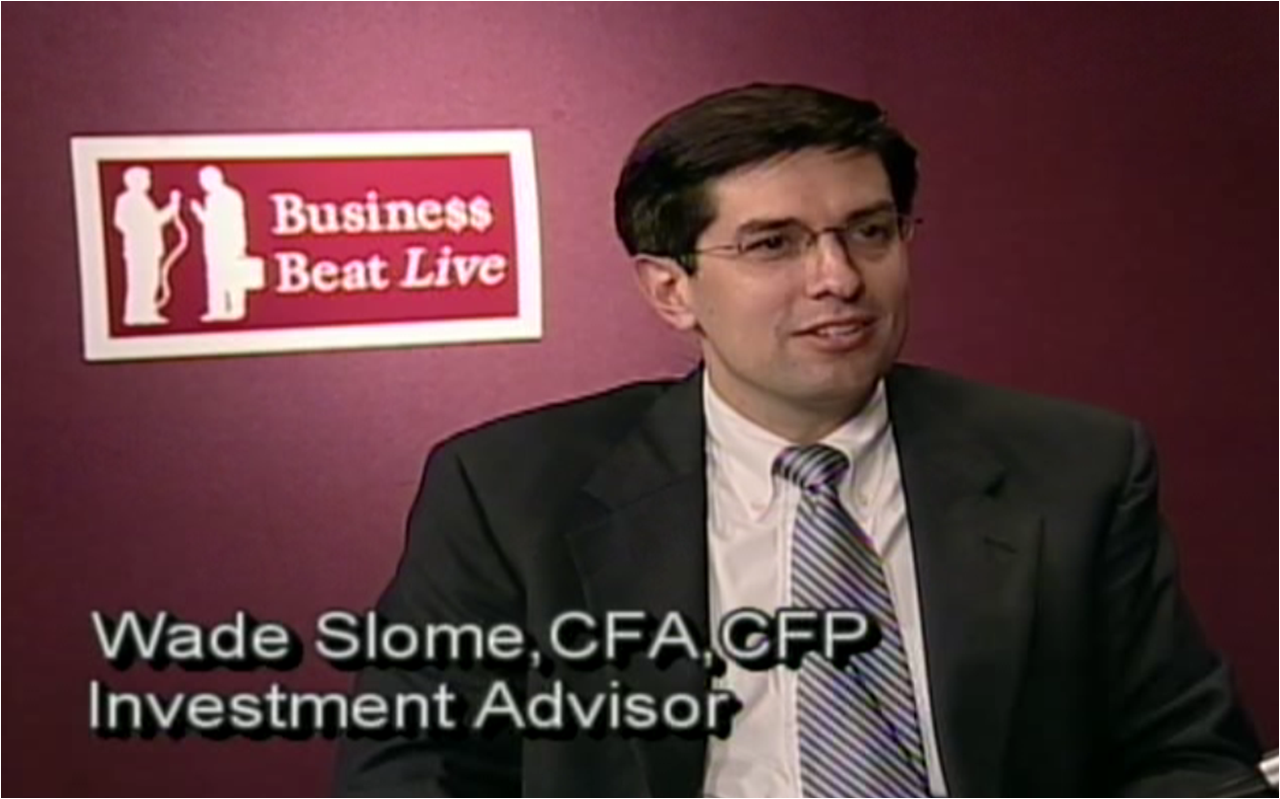
Click Here For Video on Sidoxia Site
I just got back from doing a television interview in Connecticut with John A. Troland at Business Beat Live. Troland may be no Larry King (is that a good or bad thing?), but he is no slouch either. He’s been running his show for 15 consecutive years, including an interview with Maria Bartiromo, a.k.a. the “Money Honey” (incidentally, a name she attempted to trademark for herself).
Stay tuned for the eventual video posting on my website (www.Sidoxia.com) (NOW UPDATED), but first the digital interview file must be compressed into a video jpeg gif, then optimized through an FTP to my HTML server, before the synthesized content is uploaded the to my http URL. Even if I were to improperly use the tech acronyms, the project should still be no sweat…for my tech guy.
Once I get settled, I’ll do my best to be back in productivity mode with further Investing Caffeine posts.
Investing Caffeine Launches

Investing Caffeine Launches
It has already been more than a year since the humble beginnings of Sidoxia Capital Management, LLC in April 2008 (here in lovely Newport Beach, California). Since then, I have written a successful book, How I Managed $20,000,000,000.00 by Age 32, appeared on ABC News, spoken on numerous radio shows, and traveled around to more than a dozen speaking engagements. Now, I am opening the next exciting chapter in my life journey – the launch of my new blog, Investing Caffeine.
Investing Caffeine will wake up your investment brain by tackling the complex issues of investing and financial planning, with the goal of educating and entertaining your mind. You can be the ultimate judge by posting your comments onto Investing Caffeine’s website. Financial topics can be boring, so make Investing Caffeine a part of your routine by injecting a jolt of financial knowledge. See you at my café!




 Investing Caffeine
